Suicide, drug and alcohol abuse – the elephant in the room of autism
Written on 8th Nov 2016 by Sylvia Lowery
Today I am going to talk about something that is not talk about very much in autism circles. Parents whisper to those who understand ‘My son or daughter is autistic and takes drugs’. They are ashamed to make this information public. Often this is accompanied by criminal activity which brings an even deeper shame on the family. Today I am going to ask why is this the case and how many undiagnosed individuals on the spectrum are there who have also turned to drugs and alcohol to self medicate.
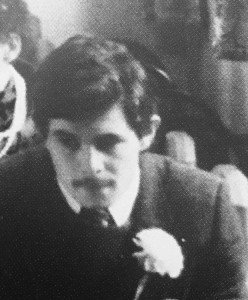
I am going to begin this article with a personal confession. Something that I am afraid to own up to because I believe some people will judge may avoid me or disagree with me. My brother died on the 26th September this year. He had spent 6 week in intensive care in a coma after having hung himself. Nothing prepares you for the loss of a loved one in this way. I am still in shock, I am still grieving but I speak because I want to see this issue brought out into the open and dealt with.
My brother has a very long history of difficulties. He never gave eye contact and had meltdowns throughout his childhood. By the time he was age 12 he had been expelled from school. He spent a year at home and was then placed in a school for ‘naughty boys’. This placement led to him starting on drugs which sadly affected him all his life. He also spent his life engaging in self harm, he slashed himself, his arms were a patchwork of scars. He lay on the railway line more than once, walked in front of cars, threw hot fat on his legs. Eventually my parents could not cope an my brother joined the sad throng of those who have no home to call their own. I had my brother to stay for six week to help him come off the drugs but sadly he went back to the life of drugs that was so compelling for him.
My brother Martin was sectioned many times during his lifetime but he was always pronounced well and sent out after a few days. It seems that his behaviour was extreme enough for him to be sectioned. But once he was living int he routine of the hospital he would calm down to such an extent that he seemed well. As soon as he left the security of the hospital his metal health would deteriorate.
This behaviour continued throughout his life, he had times when he gave up the drugs and replaced it with alcohol. He had times when he was seriously ill, like the time when he was in isolation in the top floor of a hospital. My mother asked me to ask the Doctor of he had AIDS. The Doctor’s response was, “No, what he has is much more serious and life threatening.” It turned out that Martin had an infection in his heart valve on that occasion.
Martin seemed to always survive and the way he lived became the new ‘normal’. We knew his life was dangerous but somehow he always stayed alive. He spent a lot of time going in and out of prison for shoplifting and other crimes. In fact he was in prison as out Mother died last December. I had tried to phone him to tell him but could not get a response. It seems that he lost his phone and was not contactable. I don’t know what losing contact with his family and not attending his mothers funeral would have done to his mental health but it didn’t help. He told people who supported him that he knew we couldn’t contact him. Apparently getting in touch with myself and my sister became my brothers obsession, but we lost contact during this six months. Martin had been to my house but he forgot addresses and details. He always remembered out mothers phone number.
After Martin had hung himself and then died. I g=began to piece together the last 7 months of his life. He had been in prison, he broke a curfew and therefore wanted to go to prison. He actually told the person who arrested him that he had done it deliberately. He only felt safe in hospital on a section or in prison. I got to read his application for release. I was shocked to see the reasons given for denying release pointed to Marin having serious issues. I am told that Martin did well in prison and enjoyed working in the laundry.
Here is the list of reason given:-
- He struggled with addiction and periods in prison
- Depression
- Anxiety
- Social isolation
- A lack of problem solving and thinking skills
- Poor coping skills
- Problems managing money
- Mental health difficulties
My question to the prison serve is this. Why if they were aware enough of these problems to deny parole did they not send in a mental health professional to assess Martin? Instead they just ignored his needs and obvious difficulties. He was released and was placed in post prison support. He was given support and was doing well. But his mental health deteriorated and he was placed on antidepressant. Within days his mental health deteriorated and he broke the supported living home rules by taking drugs on the premises. He was asked to leave, this left him homeless and three weeks later he hung himself outside the Royal Hospital, he suffered a cardiac arrest, was resuscitated and spent five weeks in intensive care in a coma.
As a coma patient he received the best of care,he had 24 hour nursing care. My sadness comes from the very real fact that the money spent supporting him in intensive care would have been better spent supporting him with his mental health issues and any undiagnosed underlying conditions. The anti depressants he was prescribed can cause suicidal thoughts. He should have been monitored in the early weeks of taking them. Instead he was left homeless and without support.
I am setting up a petition to call on the government to ensure that vulnerable prisoners receive mental health support and a correct diagnosis. I can’t bring my brother back, but I can work to bring about changes for others.
Please share and sign this petition
https://www.change.org/p/uk-parliament-mental-health-autism-diagnosis-and-support-for-prisoners?recruiter=11915000&utm_source=share_petition&utm_medium=copylink
Unless otherwise indicated, all materials on this page are © Alex Lowery Speaks About Autism. Please do not reproduce, modify or use for any purpose without the prior, written consent of the author. If you are interested in using an article on your blog or in your magazine, please contact us.