



Memories from the autistic mind
Written on 5th Jan 2016 by Alex Lowery
Today’s article is about autism and memory, which is a subject that isn’t covered very often. I’m writing about how memories work for a person with autism, speaking from own experiences.
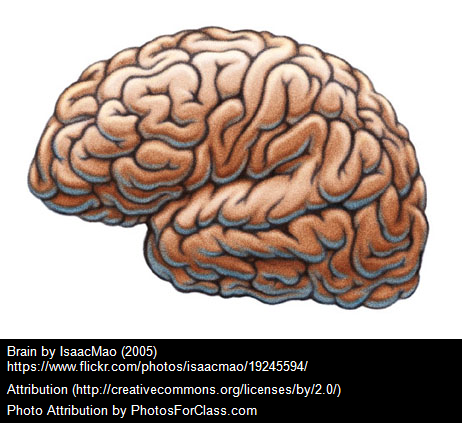
One thing to know about me is that I really struggle with short-term memory. When it comes to remembering where I’ve put something, or just everyday little things in general, I’m not very good. I’m frequently losing things. I also really struggle with recalling information. When someone asks me, “What have you done this past week?” or even “What have you done today?” I often won’t know the answer. It’s not that I have no memory of what I did the past week; I just struggle to recall the information. The memories are there in my mind somewhere, but I‘ve got so much information in my mind that I struggle to simply recall a particular thing I’ve done in the past week. I even struggle to recall the dates and times of my upcoming talks. Sometimes people will ask me when my next speech is and I honestly don’t have a clue what the answer is. This is an extremely embarrassing moment, which I frequently have to face in my day-to-day life. In a lot of ways, I struggle to remember things that others take for granted.
As is often the case with autism, I make up for this lack of a memory in other ways. There are other ways in which my memory is extremely good. I have a good memory for years. There are a lot of events in my past life that I can remember what year they happened in. I also have a great memory for people’s ages. There have been people who I haven’t seen in years, but I’ll know how old they are, just because I remember how old they were when I last saw them. Sometimes this good memory can even creep people out. For example, there is an autistic singer who was on the X-Factor in 2009. I met him in person in 2014 and I told him that I knew he was diagnosed at the age of 13. When I told him this, for a brief moment he seemed shocked and thought I might have been stalking him. But the truth is, I hadn’t been. I just remembered the voice-over guy on the X-Factor mentioning that he was diagnosed at 13 and that’s how I remembered. This just goes to show you how other people don’t have a memory like mine.
I also have a fairly good memory for facts when it comes to subjects of interest. Those of us with autism will often inhibit obsessive interests in particular subjects, and we can often remember information about these subjects extremely well.
I mentioned earlier that my short-term memory is poor, but this is made up for by my brilliant long-term memory. I can remember past events from years ago (back to when I was a child) vividly. I often see my life’s story as a filmstrip. Past days, past events rarely disappear from my mind especially if they meant a lot to me. I’m often telling people about things from the past, and everyone is shocked as to how I remember it. It’s this long-term memory of mine that has helped me to write my autobiography. Because I have such a good long-term memory, I’ve been able to remember things (even vaguely going back to when I was 3 years old) well enough to write a book. My book is called ‘Thinking Club: a filmstrip of my life as a person with autism’.
Now, the question is, is this difference in memory a good thing or a bad thing? Well… I think it really depends on how you look at it. Obviously to struggle with short-term memory and recall can be a really big disadvantage, and believe it or not, having a good long-term memory has its disadvantages too. Because I have such a good long-term memory, in some ways this can make my anxiety all the worse. I can often remember things from the past extremely well and this includes both good and bad memories. I have a lot of anxiety when it comes to making mistakes and being misunderstood. There are a lot of things in my life that have made me anxious.
Because of my long-term memory, I can remember past anxieties (even going back 10 years ago when I was a child) like they were yesterday!
I often get flashbacks to bad experiences, which have made me feel anxious or frustrated, even if they were a long time ago. Some past anxieties, I’ve never really recovered from, and they still haunt me to this day. A lot of these anxieties are over very minor things too. For example – I may be recalling a time when I was patronised as a child and I still feel frustrated when I think about it.
However, despite this rather big disadvantage; my long-term memory isn’t something I’d get rid of if I were given the chance. There may be disadvantages, but there are many advantages to having such a good memory. In my opinion, the advantages outnumber the disadvantages. I honestly like the fact that my memory is unique really.
Now, as a person with autism, these are my personal experiences when it comes to memory. Obviously this isn’t the case for everyone with autism. However, from what I see of other people on the spectrum; it seems to be extremely common for autistics to have a poor short-term memory, but a really good long term-memory as well as a great memory for facts (or at least a brilliant memory for facts that are of interest to the individual).
Thank you for reading. I hope you found this interesting. Please leave me your comments.
Unless otherwise indicated, all materials on this page are © Alex Lowery Speaks About Autism. Please do not reproduce, modify or use for any purpose without the prior, written consent of the author. If you are interested in using an article on your blog or in your magazine, please contact us.






My daughter is Autistic and her experience with memory is just as you described. I’m so thankful for your explanation because she wasn’t able to help me understand but reading your post opened up my understanding. Thank you so very much.